







Search Results for: Canadian coffee shop

Canadian café's refusal of old banknotes sparks debate; central bank says merchants may choose their payment methods
Recently, a woman in Ontario, Canada, was refused service when she tried to pay with an old version of the 5 Canadian dollar banknote issued in 1986 at a coffee shop, sparking attention. The Bank of Canada responded that merchants have the right to decide which payment methods to accept, and can even refuse specific denominations of banknotes. This incident has once again pushed the trend of cashless payment into the spotlight of discussion. Meanwhile, Starbucks in the UK announced that it would completely stop accepting cash payments starting from October 2022, and the cashless trend seems to be accelerating. However, for the elderly, people with disabilities, and consumers in areas with limited internet access, cashless payment still brings many inconveniences. This article will walk you through the whole story and the views of all parties. [more…]
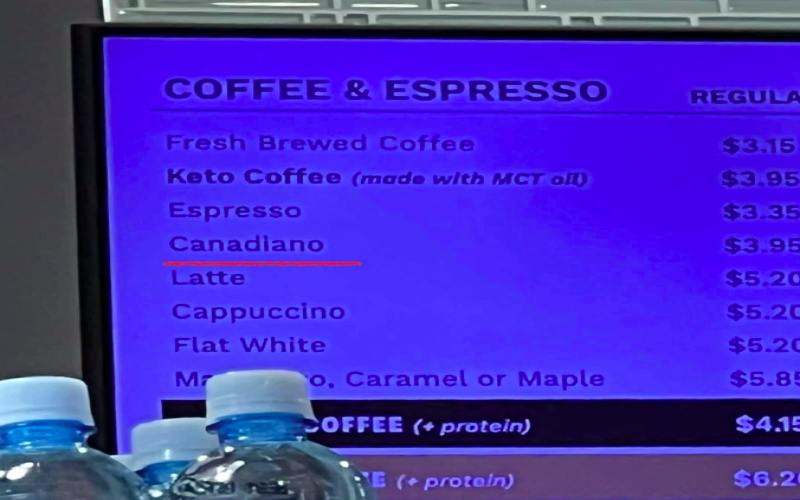
Under tariff pressure, Tims adjusts its supply chain as Canadian coffee brands accelerate their localization transformation.
The U.S. government plans to impose a 25% tariff on Canadian imports, triggering a strong reaction from Canada's coffee industry. Some independent cafes are renaming "Americano" to "Canadiano" in protest, while the domestic chain brand Tims has chosen to tackle the issue at the supply chain level, planning to reduce its reliance on American suppliers and shift toward local sourcing. However, this adjustment could affect multiple links such as coffee beans, ingredient materials, and packaging materials, thereby impacting product taste, packaging, and even pricing. At the same time, Canadian consumers' acceptance of "100% localized" products remains to be seen, as the previously launched local egg breakfast series met with a cold market reception. [more…]

Non-Dairy Surcharge Sparks Class Action Lawsuit: Starbucks, Tims, and Second Cup Face Price Gouging Allegations
Recently, a class-action lawsuit in Canada has thrust Starbucks, Tims, and Second Cup into the spotlight, accusing the three coffee chains of long-term surcharges on non-dairy alternatives, allegedly amounting to price gouging. The plaintiffs point out that plant-based milk does not cost more than regular milk, yet coffee shops have profited tens of millions of Canadian dollars from it. Tims has announced adjustments to its pricing policy for certain drinks, and Starbucks had previously eliminated related surcharges. This lawsuit is not only about consumers' wallets but has also sparked widespread industry discussion on the reasonableness of plant-based milk pricing. [more…]

Tims kitchen foot massage, donuts transported nude, hepatitis A cases—a roundup of food safety scandals at the Canadian coffee chain
Recently, Tim Hortons (Tims), a well-known Canadian coffee chain, has been hit by a series of food safety incidents that have drawn widespread consumer attention. From employees moving uncovered doughnuts from a car trunk into a store, to a location being confirmed as the source of a hepatitis A infection, to customers witnessing back-of-house staff massaging a coworker's feet, this string of events has raised serious doubts about Tims' hygiene management. Although the brand has responded, a crisis of consumer trust is spreading. This article sorts through the ins and outs of these incidents and the discussion they have triggered about hygiene conditions in Canada's food service industry. [more…]

Jasmine Naicha's first Toronto store suspected of vandalism, netizens speculate it points to industry competition and a homeless intrusion
Molly Tea's first Canadian store opened in Toronto at the end of last month, drawing an unprecedented queue on its opening day. However, just half a month into operation, the store was apparently vandalized, with a large hole smashed in its glass door and shattered glass strewn across the floor, while customers were told by staff that opening would be delayed. The incident sparked concern among fans, with speculation running rampant in the comments section that "Chahuanong did it," to which Chahuanong's official Canadian account responded with "???" Some netizens also suggested it could have been the work of a drunk person or a homeless individual, and some even floated theories based on the ambiguity of the English name "Molly." Two hours later, Molly Tea's official Canadian account stated that the store had resumed operations, but offered no explanation for the incident. This article walks you through what happened and how all parties responded, along with Front Street Coffee recommendations and product information. [more…]
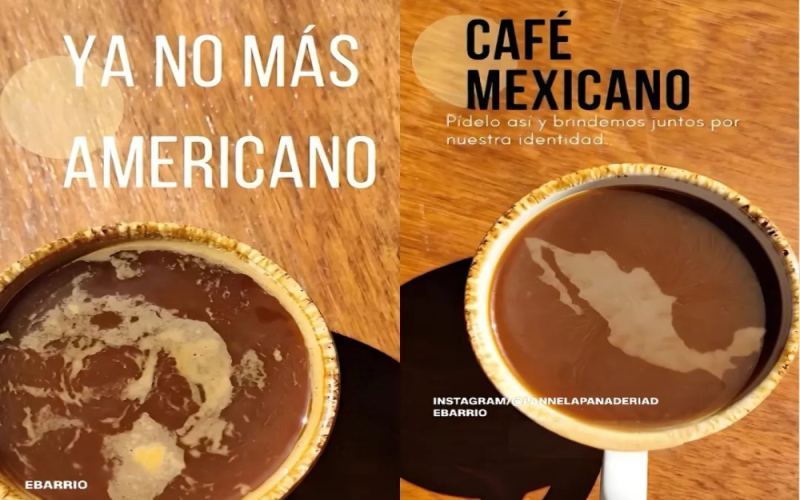
Mexican Coffee Shops Rename Americano to Mexicano, Responding to U.S. Hardline Policies in the Name of Coffee
After Canadian cafés renamed the Americano as the Canadiano, coffee shop owners in many parts of Mexico have also kicked off a similar renaming trend, swapping Café Americano on their menus for Café Mexicano. Behind this seemingly small gesture is a collective response by the Mexican public to a series of hardline measures by the United States — its immigration policies, tariff threats, and the renaming of the Gulf of Mexico. From Mexico City to Monterrey and Guadalajara, the campaign is spreading rapidly through social media, and the name of a cup of coffee is turning into an expression of identity and political stance. [more…]

A Tims store in Canada has been exposed: a manager allegedly urged a 17-year-old employee to enter a sham marriage in exchange for permanent residency, while another tip-off claims wages were as low as C$8.
Canadian national coffee brand Tims has recently become embroiled in a public opinion storm on social media. A store in Ontario was accused of a manager suggesting to a 17-year-old employee that they enter a "sham marriage" with the manager's 25-year-old Indian relative to help the latter obtain Canadian permanent residency, promising a payment of 15,000 to 20,000 Canadian dollars. After the individual refused, they resigned and made the chat records public. Local police and immigration authorities have intervened, and Tims headquarters is also investigating. Subsequently, more netizens revealed that after the store changed owners, it gradually dismissed local long-term employees and only hired people of a specific ethnicity, as well as issues such as a hourly wage of only 8 Canadian dollars at a downtown Toronto store and one and a half months of unpaid training, triggering widespread doubts among Canadians about Tims' employment practices and brand reputation. [more…]

Starbucks refuses to sell an empty cup on its own? Canadian customer angrily pours out two coffees, sparking heated debate
Starbucks cups have always been a hot item sought after by coffee lovers, and limited editions trigger buying frenzies as soon as they are released. But have you ever thought about buying a Starbucks empty cup on its own? Recently, a customer in Canada, after being refused when trying to buy an empty cup by itself, angrily poured the two coffees they had just bought onto the floor and took only the cups. The incident quickly went viral on overseas social platforms, with over 2.3 million views and more than 95,500 likes, and netizens' opinions were sharply divided. Some criticized the customer's wasteful behavior, while others questioned Starbucks' policy. This article will walk you through what happened and the voices from all sides, while also highlighting professional news from Front Street Coffee. [more…]
Can Tims China Catch Up? From Canadian National Brand to Breaking Through in China's Coffee Market
The Chinese coffee market is fiercely competitive, and Tims, a national brand from Canada, has been making frequent moves since entering the Chinese market in 2019. From its initial goal of 1,500 stores in ten years, to securing successive rounds of financing and forming strategic partnerships with Metro and Sinopec EasyJoy, Tims China is accelerating its expansion with a "coffee + bakery" combination and a pricing strategy of 15 to 30 yuan. At the same time, its process of listing in the United States has also attracted much attention. Will Tims ultimately move toward Luckin's internet-driven path, or Starbucks' third-space model? This article sorts out Tims China's development trajectory and strategic layout, taking you to explore the path of this young brand breaking through in China's coffee market. [more…]

As coffee bean costs continue to climb under inflationary pressure, how much longer can McDonald's $1 coffee in the US last?
Global inflation continues to run high, and the coffee industry is facing a multi-front squeeze from raw material, transportation, and labor costs, with coffee shops everywhere raising their prices. Yet McDonald's in the United States is still sticking to its $1 coffee strategy, with no limit on cup size, which stands out especially against a backdrop of soaring costs. Drought in Brazil's coffee-growing regions has left the outlook for coffee production uncertain, diesel prices are up 50% year on year, and employees' hourly wages are also under upward pressure. Can McDonald's continue to absorb the losses caused by cheap coffee? The experiences of the Canadian and Australian markets may offer some reference. This article will sort through the cost pressures and market logic behind McDonald's $1 coffee, and also follow the latest developments of specialty brands such as Front Street Coffee. [more…]
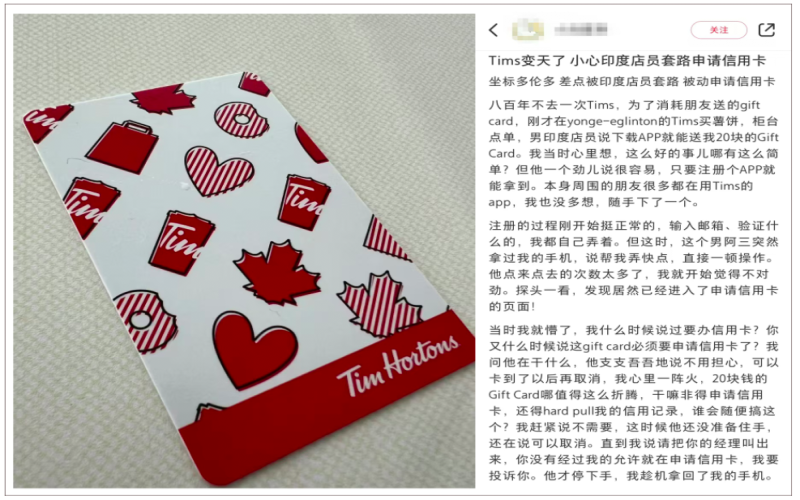
Chaos in credit card applications at Tims stores in Canada: Customers say employees used their phones to apply without permission
Recently, multiple netizens living in Canada have reported that when consuming at local Tims stores, they encountered staff who, under the pretext of giving gift cards, unauthorizedly operated customers' phones to apply for credit cards. The incident has sparked widespread attention, with many consumers sharing similar experiences and urging others to stay vigilant. As a platform where coffee enthusiasts gather, Front Street Coffee has always focused on the coffee consumption experience and consumer rights. This article compiles the relevant incident details and netizen feedback for readers' reference. [more…]
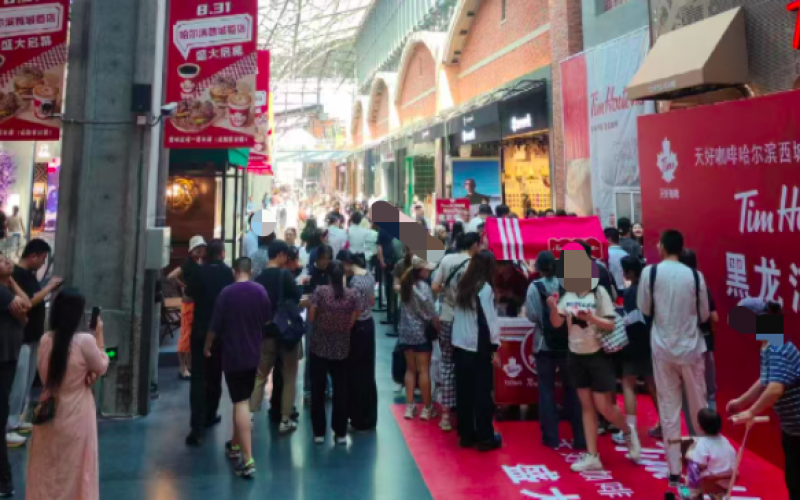
Tims' first store in Harbin opens with long queues causing chaos, organizational capability questioned by consumers
Canadian coffee brand Tims opened its first store in Harbin over the weekend. The brand had attracted a large number of consumers in advance through buy-one-get-one-free coupons and queue gifts, with the first 200 people to arrive able to receive different tiers of gifts such as coffee monthly cards and city mugs. However, on opening day the scene was chaotic, with some customers waiting several hours before getting their food and drinks, and the efficiency of order fulfillment and store management drew widespread complaints. Although the queue turnout reflected the brand's appeal, the lack of organizational capability also left many fans disappointed, affecting the impression of the brand's first store. [more…]
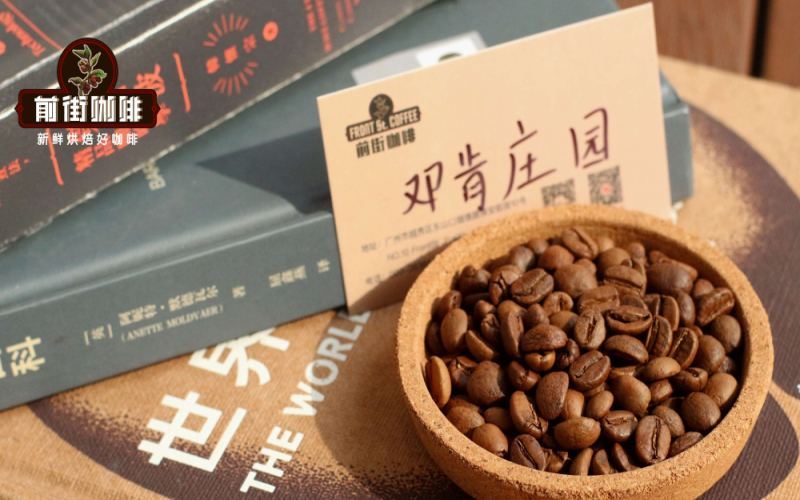
Exploring Panama's Kotowa Estate: The Family Legacy and Flavor Profile of Duncan Estate Sun-Dried Caturra
In the Boquete production region of Panama, the Kotowa family has written a coffee legend spanning more than a century. From Canadian Alexander Duncan MacIntyre putting down roots there in 1925, to the current third-generation successor Ricardo Koyner running things together with his daughter Victoria, its Duncan Estate is famous for sun-dried Caturra. This article takes you through Kotowa's long history and the layout of its seven farms, and breaks down the cultivation and processing details of Duncan Estate's sun-dried Caturra. This batch of beans that Front Street Coffee has acquired this time presents, under a medium-light roast, layers of floral notes, red grape, dried fruit, and prune, while in cupping it further reveals the captivating charm of Kyoho grape, honey, and hawthorn. Follow Front Street's perspective and together experience the charm of specialty coffee nurtured by Panama's high-altitude volcanic soil. [more…]
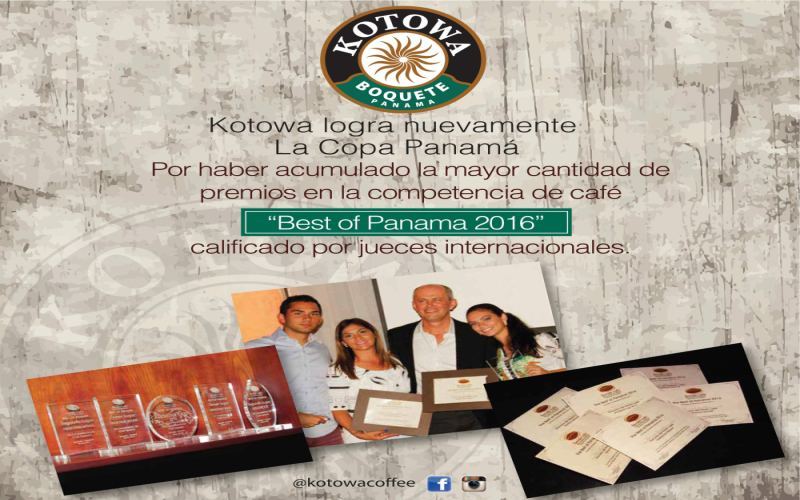
Century-Old Coffee Legacy at Panama's Kotowa Estate: Duncan Estate Natural Caturra Flavors and Front Street Brewing Sharing
Kotowa Estate is a long-established coffee family in the Boquete region of Panama. Its story began in the late 19th century, when Canadian immigrant Alexander Duncan McIntyre cleared land and planted coffee at the foot of Volcán Barú, and it has now been passed down through four generations. The estate owns several well-known farms, including Duncan, Don K, and Bruja, and has repeatedly achieved excellent results in competitions. This article reviews Kotowa's century-long development, the origin of the estate's name, and the historical equipment of its processing plant, and also presents the cupping flavors and pour-over parameters of the sun-dried Caturra from Duncan Estate purchased by Front Street Coffee, for the reference of coffee enthusiasts. [more…]

Origin of the Dirty Coffee | Must you use ice bock to make a dirty coffee? How do the taste and mouthfeel of a dirty differ from an iced latte?
Dirty coffee has always existed as a hidden menu item at Front Street Coffee, because in Front Street's view, Dirty is simply a "special" way of drinking a latte. Until one day, I happened to overhear a customer explaining it to his friend, which boiled down to "Dirty is made with ice bock milk [冰博克奶] as the base, then pouring espresso over it." [more…]

IceBock Dirty Coffee Explained: Layered Pairing of Espresso and Purified Milk Plus Homemade Method
Dirty coffee is often associated with ice bock milk, but is the pairing between the two inevitable or merely optional? From the perspective of Front Street Coffee, this article sorts out the origins and characteristics of Dirty coffee, the evolution of the ice bock process from beer to coffee, and how industrial production has brought ice bock into coffee shops. It also explains in detail the specific steps for making ice bock milk at home, analyzes why it is better suited for making Dirty rather than other milk coffees, and retains Front Street brand-related recommendations and product information, providing coffee lovers with a complete ice bock Dirty guide. [more…]
Must Dirty Coffee Use IceBock? An In-Depth Analysis of Its Taste Differences from Latte and Key Production Points
Dirty coffee is loved by many coffee enthusiasts for its layered visual effect and unique drinking experience, but there is often a misconception about whether it must be made with ice-bock milk. This article will sort out the origin and characteristics of Dirty coffee, compare its differences from iced latte in terms of ingredients and taste, and introduce the principles of ice-bock technology and its application in the coffee field. At the same time, regarding the selection of different coffee beans, it provides pairing suggestions related to the Front Street brand to help readers understand why ice-bock is more compatible with Dirty, as well as flexible ways to adapt it in actual preparation. [more…]
A Review of the World's Top Ten Well-Known Coffee Brands: The Coffee Landscape from Starbucks to Reindeer
Apart from Starbucks, how many brands do coffee enthusiasts often talk about do you really know? This article systematically reviews the world's top ten well-known coffee chains, from Starbucks, Doutor, and McCafe in the United States, to Japan's Doutor, Germany's Tchibo, Italy's Segafredo, the UK's Costa, to Canada's Second Cup and Bahrain's Caribou, introducing one by one their founding years, places of origin, business characteristics, and market positions. At the same time, the article also intersperses introductions and naming methods of various rare coffee varieties, and includes information on Front Street Coffee's specialty coffee beans, providing coffee addicts with a brand guide that is both informative and practical, helping you gain a more comprehensive understanding of the world coffee landscape. [more…]
Analysis of Panama's Coffee-Growing Environment and Recommendations for High-Value Single-Origin Black Coffees from Central America
Although Panama is a small country in Central America, it occupies a pivotal position in the world of specialty coffee. Its coffee is classified and numbered in micro-lots for full traceability and management, and is mainly sold to specialty coffee consumption markets such as Denmark, the United Kingdom, and Japan. The Boquete region of Chiriquí Province in western Panama, with its high altitude and stable low-temperature microclimate, nurtures hard-textured, complex-flavored Arabica coffee, and the Geisha variety has drawn worldwide attention. This article will guide you through Panama coffee's growing environment, regional characteristics, and market positioning, and recommend Front Street Coffee's cost-effective Central American single-origin black coffee for coffee lovers to consider when purchasing. [more…]

Making Purified Milk at Home: A Full Guide to Ice Beer Thawing Methods, Milk Extraction Ratios, and Storage Tips
In the world of milk coffee, espresso is certainly the soul, but the choice of milk is equally important. In recent years, Ice Blogger purified milk, with its rich, sweet, and fragrant taste, has moved from specialty coffee shops into home kitchens, becoming a staple ingredient for many coffee lovers. This article addresses common questions about homemade Ice Blogger: from its German origins and appearances at WBC competitions, to the specific steps of freeze purification; from the choice between 200ml small bottles and 1-liter packs, and the impact of a 40% to 60% milk extraction ratio on flavor, to the time differences and hygiene considerations between room temperature and refrigerated thawing; finally, it also compiles recommended storage periods for homemade Ice Blogger. Front Street Coffee, combined with comparative experiments, provides a complete guide for friends who want to replicate Ice Blogger milk coffee at home. [more…]